
Best Meatball Sorting Machine for Efficient Production Solutions?
In the fast-paced food production industry, efficiency is vital. The "Meatball Sorting Machine" is a key innovation that enhances productivity and accuracy. Experts like Dr. Sarah Thompson, a leading figure in food processing technology, have emphasized its importance, stating, “The right sorting machine can revolutionize how meatballs are processed.”
These machines automate the sorting process, ensuring uniformity and quality. They minimize human error and speed up production lines. However, selecting the best "Meatball Sorting Machine" requires careful consideration. Not every machine is equipped to handle varied sizes and shapes of meatballs effectively. Some may struggle with softer textures, leading to damage or misclassification. Addressing these challenges is crucial for achieving optimal outcomes.
The impact of a well-chosen sorting machine can be profound. It not only boosts productivity but also enhances the overall quality of the product. Yet, businesses must remain vigilant about maintenance and calibration. The journey toward perfect meatball production is continuous and requires constant evaluation.
The Importance of Meatball Sorting Machines in Production Lines
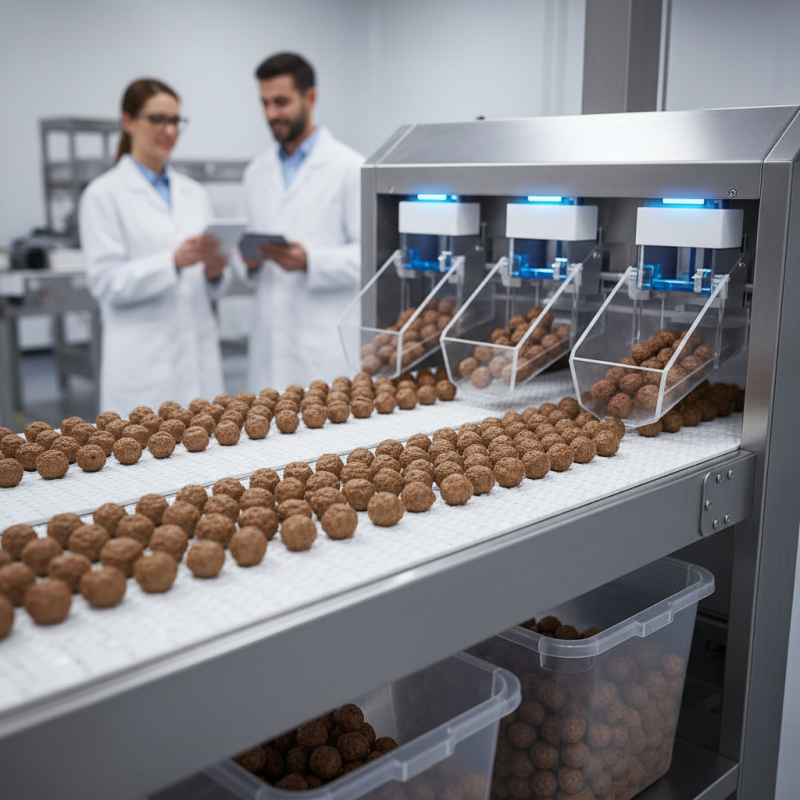
The importance of meatball sorting machines in production lines cannot be overstated. In food manufacturing, efficiency and quality control are paramount. According to industry reports, about 30% of production costs stem from labor and sorting inefficiencies. Introducing automation through meatball sorting machines can significantly reduce these costs and improve output quality.
These machines utilize advanced sensors and sorting algorithms. They analyze each meatball based on size, weight, and shape. In a typical production line, they can enhance sorting speed by up to 80%. This efficiency reduces the time workers spend manually sorting. It also minimizes the risk of human error, which can lead to inconsistent product quality.
However, not all sorting machines are created equally. Some may not perform well with varying meatball types or sizes. Adapting to production changes can pose challenges. Many manufacturers face a learning curve when integrating new machines. While these machines offer numerous benefits, selecting the right one is crucial to achieving desired production efficiency.

Key Features to Look for in a Meatball Sorting Machine
When selecting a meatball sorting machine, key features make a significant difference. Efficiency is paramount. Look for machines with adjustable speeds. This allows for flexibility based on production volumes. Additionally, inspect the sorting accuracy. Machines must separate sizes consistently to ensure quality.
Another important feature is ease of cleaning. A good machine should have accessible parts. This simplifies maintenance and hygiene checks. Operators benefit from machines that are user-friendly. A straightforward interface reduces training time and errors.
**Tip:** Regularly calibrate your machine. This ensures it runs optimally and maintains sorting accuracy.
Consider the machine's durability. Investing in robust materials may reduce long-term costs. Cheaper models might lead to frequent repairs. Reflect on your production needs and budget carefully. Quality often outweighs initial price.
**Tip:** Review feedback from other users. Real-world experiences provide insights that specifications cannot. This can guide your purchasing decision effectively.
Meatball Sorting Machine Efficiency Comparison
This chart represents the sorting efficiency of different meatball sorting machines based on the number of meatballs sorted per hour. The data highlights the performance of various models, showcasing their capabilities in a production setting.
Top Manufacturers and Models of Meatball Sorting Machines
When considering meatball sorting machines, the focus should be on efficiency and accuracy. These machines play a crucial role in food production. Recent industry reports indicate that the demand for automated sorting solutions has surged, with a projected growth rate of over 7% annually through 2025. This trend highlights the need for manufacturers to invest in innovative technologies.
Several leading models stand out in the market. A recent survey of top manufacturers reveals that many systems utilize advanced sensors and artificial intelligence for precision sorting. These innovations help reduce the error rate, often dropping below 1%. However, challenges persist. Some manufacturers struggle with the calibration of machines, which can lead to mis-sorting and waste.
Data from industry experts show that implementing high-quality sorting machines can significantly boost output. Reports suggest that companies improve production efficiency by at least 25% after adopting automated solutions. Still, cost remains a barrier for smaller operations. Investing in top-tier sorting technology is essential, but it must be weighed against the budget constraints many face today.
Comparative Analysis of Sorting Techniques and Technologies
When it comes to meatball production, sorting is crucial. Efficient sorting techniques can significantly improve overall output quality and consistency. Various technologies are available, including optical sorting and vibration sorting. Each method has its strengths and weaknesses, and choosing the right one can be challenging.
Optical sorting technology utilizes cameras and sensors to identify defects. It excels in speed and accuracy, sorting meatballs based on size, shape, and color. However, it may struggle with reflective surfaces, leading to false negatives.
On the other hand, vibration sorting relies on movement to separate meatballs. This method is simple and cost-effective but may not provide the same level of precision as optical systems.
Assessing these sorting techniques requires an understanding of production needs. Each facility may have different priorities, whether it’s speed, accuracy, or cost. Implementing a sorting system involves trial and error and a thoughtful evaluation of results. Sometimes, the ideal solution lies in combining techniques, leading to better overall efficiency. Finding the right balance is not always straightforward, urging producers to rethink their approach continuously.
Cost Efficiency and ROI of Investing in Sorting Machines
Investing in a meatball sorting machine can significantly enhance cost efficiency in production. These machines streamline the sorting process, reducing labor costs and minimizing errors. With automatic sorting, production lines can process more meatballs in less time. This results in higher output and quicker returns on investment.
Consider the initial cost of these machines versus the long-term savings. Maintenance and operational costs can add up. It’s important to evaluate how often the machine will require servicing. While sorting machines can improve accuracy, they are not infallible. Occasionally, human oversight is necessary to ensure quality.
Another key factor is the potential for waste reduction. A well-functioning sorting machine can help in minimizing defective products. However, if not programmed correctly, it may reject good meatballs. Each production facility must assess its current processes. Is the investment worth the benefit? Evaluating these aspects can lead to more informed decisions.