
Best Caterpillar Excavator Buckets for Your Heavy Duty Needs?

When it comes to heavy-duty construction, choosing the right equipment is vital. Caterpillar Excavator Buckets are designed to enhance performance and efficiency on job sites. These buckets come in various sizes and shapes, tailored for specific tasks. Selecting the right one can make a significant difference in productivity.

The efficiency of your excavator largely depends on the bucket you use. Caterpillar excavator buckets are crafted with durable materials that withstand tough conditions. They offer features such as reinforced edges and optimal designs for various digging and loading tasks. However, not every bucket is suitable for every application. You must consider the type of work you do.

Many operators overlook the importance of matching the bucket to the job. This can lead to inefficiencies and unnecessary wear and tear. By understanding your needs and the capabilities of Caterpillar excavator buckets, you can make informed choices. This ensures you get the best performance from your machinery and achieve project goals.
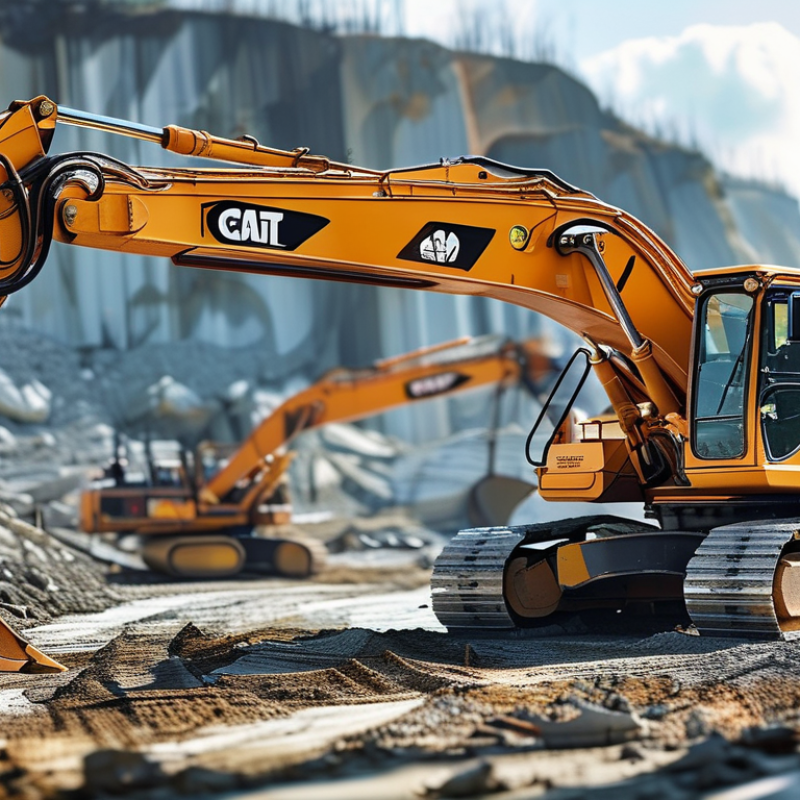
Best Caterpillar Excavator Buckets for Your Heavy Duty Needs?

Choosing the Right Caterpillar Excavator Bucket for Heavy Duty Tasks

Choosing the right Caterpillar excavator bucket for heavy-duty tasks requires an understanding of your project needs. Excavator buckets are not one-size-fits-all; rather, they are designed based on specific applications. According to industry data, heavy-duty buckets can increase productivity by up to 30% in rugged conditions. This increase often results from better material management and reduced downtime.

Material selection is crucial. Steel is the most commonly used material due to its toughness. High-strength alloy steels offer improved durability, especially under extreme conditions. However, some projects demand a compromise between weight and strength. This dilemma can affect efficiency. Reports suggest that improper bucket design can lead to premature wear, costing companies thousands in replacements.

Consider the bucket's shape and capacity as well. A wider bucket can move more material per cycle, but it may be heavier and harder to control. Striking the right balance is essential for optimal performance and safety. Not every operator can effectively handle larger buckets. Training and experience play significant roles in ensuring successful operation. Reflecting on these components can aid in making informed choices.

Understanding Different Types of Caterpillar Excavator Buckets and Their Uses

When choosing the right excavator bucket, it's essential to understand the various types available. Each bucket type serves specific functions. For instance, general-purpose buckets are versatile and ideal for a wide range of tasks. They handle soil, gravel, and light debris effectively. In contrast, heavy-duty buckets are designed for more challenging tasks. These are ideal for moving tough materials like compact soil and rocky terrain.

Another type worth noting is the trenching bucket. Its narrow profile makes it suitable for digging trenches for utilities. This bucket can reach greater depths with precision, helping construction projects achieve specific requirements. There are also grapples for handling oversized materials. These tools allow for efficient loading and unloading, making them invaluable in demolition or recycling operations.

Effectively using the right bucket type enhances productivity. However, choosing the incorrect bucket can hinder work efficiency. It’s important to consider the terrain and material type. An experienced operator can discern the right bucket for the job. Even the best planners sometimes overlook this crucial detail. Ultimately, understanding the distinct types of excavator buckets and their specific uses improves overall project outcomes.

Factors to Consider When Selecting Excavator Buckets for Your Equipment

Selecting the right excavator bucket is crucial for heavy-duty projects. Each project has unique demands. Different conditions require different bucket types. Soil type plays a significant role. For example, a dense clay may need a heavy-duty bucket. In contrast, loose soil might work with a lighter option. Understanding your project's specifics is a must.


Durability is another important factor. Buckets experience immense stress during use. Material quality impacts performance and lifespan. A well-built bucket reduces the frequency of replacements. Consider the attachment compatibility as well. Not all buckets fit all excavators. This can cause operational inefficiencies. This consideration is often overlooked but can lead to major setbacks.


Pay attention to size and weight as well. A larger bucket can move more material. However, it can also affect machine stability. Operators need to balance capacity with control. Finding the perfect match involves trial and error. Mistakes can happen when assessing your needs. Evaluate your choices and be open to adjustments. Learning from past experiences will ultimately lead to better decisions.

Top Brands and Models of Caterpillar Excavator Buckets on the Market

When choosing an excavator bucket, it's essential to consider your specific needs. Several top brands dominate the market, offering superior options. These buckets come in various sizes and designs to enhance performance in tough conditions. For heavy-duty operations, look for buckets made of high-quality materials that ensure durability and longevity.

Tips: Always assess the soil type you'll be working with. Different buckets perform better in varying soil conditions. A general-purpose bucket may suffice for loose, sandy soils. However, tougher, rocky terrains require heavy-duty options with reinforced edges. Check for compatibility with your equipment as well.

Some popular models include general-purpose, trenching, and heavy-duty buckets. Each serves a unique function, tailored to specific tasks. It is vital to choose wisely based on expected workloads and project requirements. Pay attention to the weight capacity and volume specifications to avoid frequent replacements. Misjudging these elements can lead to inefficient work and increased costs.

Maintenance Tips for prolonging the Life of Your Excavator Buckets

Excavator buckets are essential for heavy-duty tasks. To maximize their lifespan, regular maintenance is key. Start by thoroughly cleaning the buckets after each use. This helps remove dirt and debris that can cause rust. Use a pressure washer if necessary. Pay attention to the edges too; they often bear the brunt of wear and tear.

Inspect the buckets regularly for cracks or signs of wear. Any small damage can worsen over time. Welding repairs may be needed, but it's crucial to address issues promptly. Lubrication of moving parts also plays a role in maintaining functionality. Apply grease to pivoting points to prevent stiffness or corrosion.

Sometimes, operators overlook the importance of proper usage. Using buckets for tasks they're not designed for can lead to damage. A bit of training or guidance can prevent this. Store buckets in a dry place when not in use. This simple step can protect them from weather-related damage. Regularly checking and addressing these maintenance areas can significantly enhance your excavator buckets' performance and lifespan.

Excavator Bucket Performance Comparison