What Is the Best Type of Auto Wrap Vinyl in 2026?
Choosing the best Auto Wrap Vinyl in 2026 is less about finding one winner and more about matching the film to your vehicle, climate, and preferred finish. A daily driver parked outdoors needs different priorities from a show car kept under cover. Heat, sun exposure, body curves, washing habits, and installation skill all affect how a wrap looks and performs.
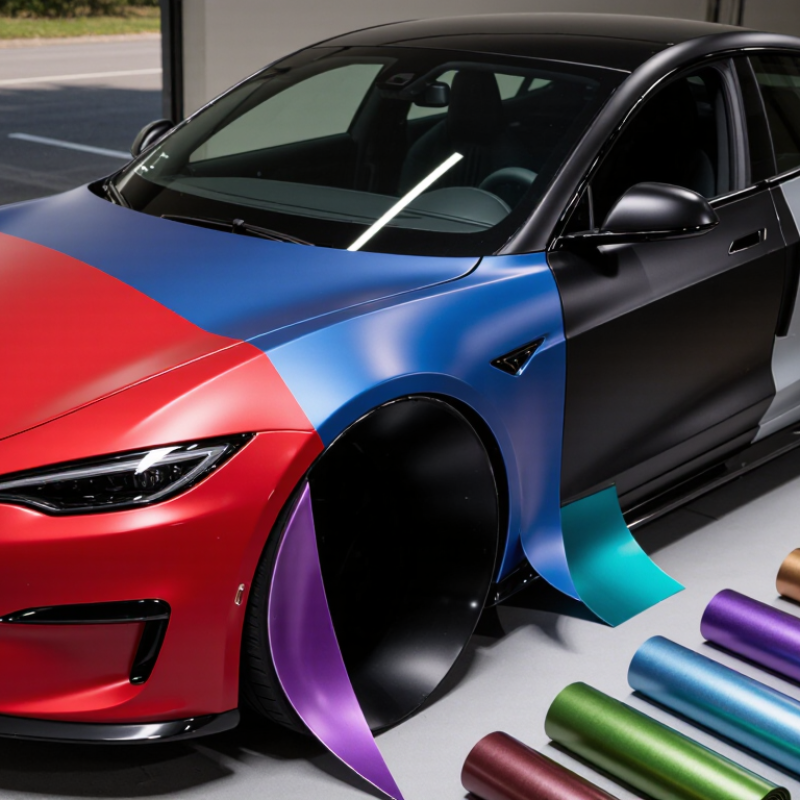
Cast vinyl often suits complex curves and long-term projects because it is generally more conformable than calendared film. Calendared vinyl can be a practical choice for flatter panels, shorter campaigns, or tighter budgets. Specialty finishes, including satin, gloss, matte, metallic, and color-shift options, can change a vehicle’s appearance but may require careful cleaning. There is no perfect film.
A reliable choice starts with the manufacturer’s technical data, warranty conditions, and a realistic look at the car itself. Check stated outdoor durability, adhesive behavior, air-release channels, and compatibility with painted surfaces. Ask an experienced installer to inspect tight recesses, edges, and previous paint repairs before ordering. A sample panel can reveal color shifts in noon sunlight and garage lighting. Small details matter.
This guide compares common Auto Wrap Vinyl types by finish, flexibility, durability, cost, and installation demands. It also explains where claims need caution: a published lifespan is not a promise for every vehicle. The honest answer may be less exciting. It should still fit your needs.
How Cast, Calendered, and TPU Films Differ in Polymer Structure
What Is the Best Type of Auto Wrap Vinyl in 2026?
Cast, calendered, and TPU films differ at the polymer level, and that affects how they behave on a vehicle. Cast vinyl begins as a liquid PVC mixture spread onto a casting sheet, then cured. Its polymer film forms with relatively low internal stress. That helps it follow deep recesses and compound curves with less shrinkage. Think of a door handle pocket: the film must stretch, then stay put. Cast is often a strong choice for complex shapes. Not magic, though.
Calendered vinyl uses heat and pressure to push PVC through rollers. The process aligns and compresses the material into sheets, often making it thicker and less costly. Its higher internal stress can encourage shrinkage, especially around tight curves or after prolonged heat. It generally suits flatter panels and simpler contours better. Film formulation matters, too; “calendered” alone cannot predict every result.
TPU, or thermoplastic polyurethane, has a different chain structure from PVC. It is typically more elastic and resistant to abrasion, so it is common in paint-protection films as well as some specialty wraps. Surface coatings and film construction change performance, so TPU is not automatically the best wrap for every job. Check the technical sheet for thickness, stretch limits, and care guidance. Even then, installation conditions can complicate the picture.
Why Cast Vinyl Fits Deep Curves: Premium Films Are About 50–100 μm Thick
Cast vinyl is often the better choice for deep curves because it can conform without holding as much built-in tension. Premium films are commonly around 50–100 μm thick, though the exact figure depends on the product and how it is measured. Check whether the stated thickness includes only the film or also the adhesive and liner. That detail matters.
On a mirror cap or recessed bumper, a flexible film can settle into contours with less pullback than many thicker, stiffer alternatives. But thickness alone does not make a wrap suitable. The film’s construction, adhesive, surface preparation, and installation technique all affect the result. I still find it easy to overfocus on the spec sheet. A number cannot predict every curve.
For a clean finish, work the vinyl gradually into recesses rather than forcing it flat across them. Use controlled heat and follow the film maker’s installation guidance. Overstretching can thin the material and leave edges more likely to lift. Inspect corners and deep channels after installation, especially where the film changes direction. A well-chosen cast film helps, but careful fitting makes the difference.
How 3M 2080’s 110 μm Gauge and Air-Release Adhesive Affect Installation
A 110 μm cast wrap film offers a useful balance: it is substantial enough to handle during positioning, yet flexible enough to follow many vehicle contours. Thickness alone does not determine installation quality. The film’s stretch, surface finish, temperature, and the panel’s shape all matter. On a broad, flat door, the material may settle with little fuss. Around a mirror or recessed handle, careful heat and controlled tension become more important. Small details count.
An air-release adhesive helps trapped air move through channels beneath the film, reducing bubbles during application. Installers can usually reposition the sheet before firm pressure bonds it in place. That breathing room is helpful, not magic. Dust, rushed squeegee strokes, or excessive stretching can still leave visible marks. Work from the center outward, using overlapping strokes and steady pressure. Keep the work area clean. At edges and deep recesses, follow the film maker’s temperature and post-heating guidance; guessing can cause lifting later.
A thicker-feeling film may seem easier to control, but it can also resist tight curves more than expected. That trade-off is easy to underestimate. Test a small section first, especially on complex panels, and inspect it under angled light. A smooth result often comes from patient handling, not force.
How ASTM G154 Weathering Tests and Up-to-8-Year Warranties Inform Durability
What Is the Best Type of Auto Wrap Vinyl in 2026?
For durable color and fewer seams, cast vinyl is often a practical choice for complex body panels. Yet film type alone cannot predict how a wrap will age. ASTM G154-23 describes controlled exposure of nonmetallic materials to fluorescent UV light and moisture. It is a useful comparison method, not a promise of real-world service life. A test chamber is not a street. Sun angle, road grime, washing, and installation all affect the result.
Some published wrap warranties extend up to eight years, but coverage depends on the film, application area, and care requirements. Read the exclusions closely. A warranty may distinguish vertical panels from horizontal surfaces, where sunlight and heat are harsher. Ask whether the stated term covers fading, cracking, or only material defects. ASTM G154 does not convert test hours directly into years on a vehicle, so treat warranty duration as a conditional commitment, not a durability score. Even careful estimates have limits.
Tips: Ask an installer for the film’s ASTM G154 test conditions and the written warranty. Photograph the vehicle before installation, especially roof edges and mirrors. Wash gently, and inspect seams after hot or wet seasons. Those details matter.
Which Film Best Matches Vehicle Shape, Climate, Finish, and Budget
The best auto wrap vinyl in 2026 depends on the vehicle, local weather, desired finish, and installation budget. For deep bumpers, sharp recesses, or pronounced body lines, conformable cast film is usually the safer choice. It stretches around complex shapes with less tension and a lower risk of lifting at edges. For flatter panels and simpler curves, calendared film may suit a tighter budget. It can be less forgiving on complex contours. Check the vehicle’s panel shapes before choosing.
Climate changes what matters. Strong sun and parked outdoor exposure can accelerate fading and wear, while repeated temperature swings challenge film edges and adhesive. Ask for product-specific care and durability guidance, and consider where the car will be stored. A garage helps. So does gentle washing. Still, no film is maintenance-free, and actual lifespan depends on exposure and installation quality.
Finish affects both appearance and upkeep. Gloss can highlight dust and small surface defects; satin softens reflections, while textured finishes may be harder to clean evenly. Inspect a large sample beside the car, not just a small swatch under showroom lights. Budget for skilled installation and eventual removal, not only the roll price. I would not assume the most expensive option is best; a simpler film installed carefully can outperform a premium choice applied poorly. Even experienced installers can misjudge a difficult curve, so discuss limits before work begins.