

Top 10 Benefits of Using Refrigerated Containers for Shipping
In today's global marketplace, the demand for efficient shipping solutions grows daily. One standout choice is the Refrigerated Container. These containers provide a controlled environment, crucial for preserving temperature-sensitive goods. They are widely used across industries, ensuring quality and safety during transport.
However, not all users fully understand the myriad benefits of using Refrigerated Containers. While they are great for keeping food fresh, their advantages extend beyond just one application. Some companies experience challenges due to inadequate knowledge about their use. Awareness is important for optimizing shipping processes and reducing waste.
Embracing Refrigerated Containers can enhance reliability in shipping. Improved preservation extends the shelf life of products, but awareness of their proper use is vital. Businesses must recognize both the benefits and potential pitfalls. Balancing these factors is essential for success in the competitive shipping landscape.
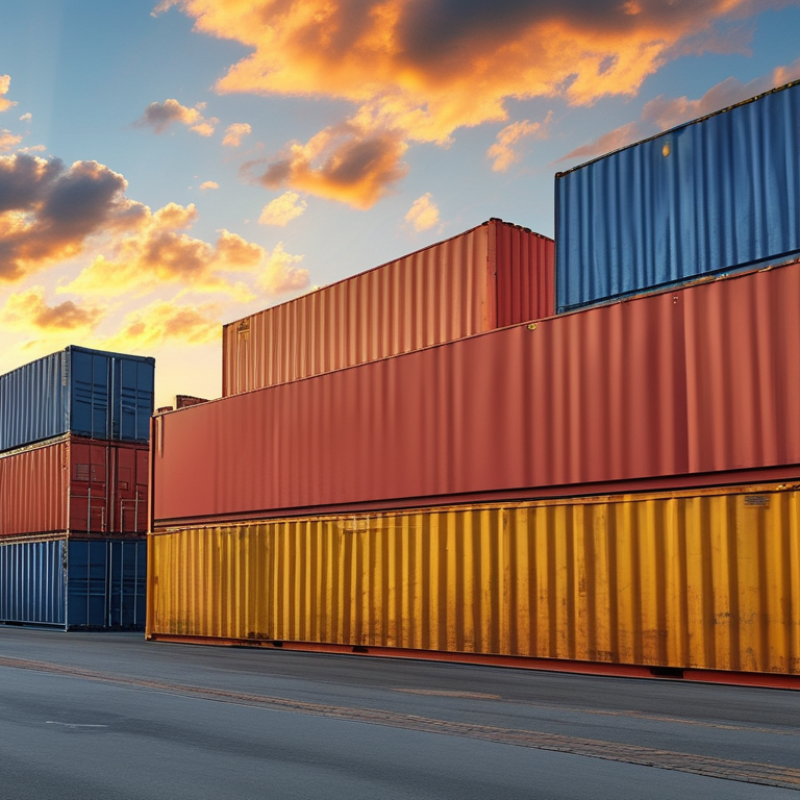
Advantages of Temperature Control in Shipping with Refrigerated Containers
Refrigerated containers play a crucial role in modern shipping logistics. They ensure that temperature-sensitive goods remain fresh during transport. According to industry reports, the global refrigerated container market was valued at approximately $2.8 billion in 2020 and is projected to grow steadily. This growth highlights the increasing demand for controlled environments in shipping.
Temperature control is essential for various products. It drastically reduces spoilage rates for fresh produce, meat, and pharmaceuticals. For instance, maintaining a consistent temperature can reduce spoilage in perishables by up to 50%. This statistic underscores the importance of reliable temperature management. Moreover, this control helps maintain the product's quality, ensuring that end consumers receive items that meet safety standards.
Despite the benefits, challenges exist. Equipment malfunctions can occur, leading to temperature fluctuations. It's critical to have backup systems in place. Regular maintenance checks on refrigerated containers can prevent these issues. Industry data suggests that around 13% of shipments experience temperature deviations. Addressing this gap is vital for improving reliability in shipping. Continual improvement in monitoring technology can further enhance shipment integrity.
Top 10 Benefits of Using Refrigerated Containers for Shipping
| Benefit | Description |
|---|---|
| Temperature Control | Maintains the required temperature for perishable goods during transit. |
| Extended Shelf Life | Increases the shelf life of products, reducing food waste. |
| Versatility | Suitable for a wide range of products, from food to pharmaceuticals. |
| Cost-Effectiveness | Reduces losses incurred due to spoilage, saving money in the long run. |
| Quality Maintenance | Helps in maintaining the quality of food and other sensitive items. |
| Global Reach | Enables businesses to export goods globally without compromising quality. |
| Reusability | Refrigerated containers can be reused for multiple shipments. |
| Energy Efficiency | Modern refrigerated containers are designed to be energy-efficient. |
| Real-time Monitoring | Allows for temperature monitoring during transit, ensuring safety. |
| Improved Logistics | Enhances logistics operations by providing reliable temperature-controlled transport. |

Enhanced Product Shelf Life and Freshness During Transport
Refrigerated containers play a crucial role in maintaining product quality during shipping. They are specifically designed to keep perishable goods at optimal temperatures. This capability significantly enhances the shelf life of products like fruits, vegetables, and dairy items. By maintaining a consistent, cool environment, these containers help to preserve flavor and texture. The result? Fresher products reach consumers, boosting satisfaction.
Imagine receiving strawberries that still taste like they were just picked. This is possible thanks to temperature-controlled shipping. Fluctuations in heat can lead to spoilage, impacting both taste and nutritional value. Refrigerated containers mitigate these risks. However, not all shipments are flawless. Occasionally, minor temperature variances occur, prompting a reevaluation of shipping practices. Companies must stay vigilant and adapt to ensure quality is consistently upheld.
The benefits of refrigerated containers are clear, but challenges remain. The investment in specialized equipment can be high. Yet, the value of providing fresh, high-quality products cannot be overstated. Reliable shipping methods ultimately improve customer trust and brand loyalty. It's a continuous journey of improvement, where learning from past experiences leads to better outcomes.
Versatility of Refrigerated Containers for Various Goods
Refrigerated containers, often called reefer containers, offer incredible versatility for shipping various goods. They maintain precise temperature controls, making them suitable for fresh produce, pharmaceuticals, and other temperature-sensitive items. For example, fruits and vegetables can stay fresh during long journeys. This capability is crucial for businesses that rely on quality and safety.
The adaptability of these containers extends beyond food. Pharmaceuticals often require strict temperature regulations to ensure efficacy. With refrigerated containers, companies can transport vaccines and medical supplies safely. In sectors like floral logistics, these containers help preserve the freshness of flowers, maintaining their aesthetic appeal. The challenges arise when temperature fluctuations occur or when there is improper loading. Regular checks are needed to prevent spoilage.
Moreover, the use of refrigerated containers reduces waste by extending product shelf life. However, businesses must remain vigilant about maintenance and inspections. Containers need regular servicing to function optimally. Mismanagement can result in significant losses. Therefore, understanding the intricacies of refrigeration technology is essential for anyone involved in logistics and supply chain management.
Cost-Effectiveness and Efficiency in Long-Distance Shipping
Refrigerated containers, often known as reefer containers, revolutionize long-distance shipping. Their ability to maintain consistent temperatures plays a vital role. According to the International Refrigerated Transportation Association, around 33% of global food production needs temperature control during transit. Any deviation could lead to spoilage.
Cost-effectiveness stems from reduced waste. Studies show that temperature fluctuations can result in a loss of up to 25% for perishable goods. By using refrigerated containers, companies minimize this risk. They can transport products over long distances without compromising quality. Efficient shipping methods lead to lower overall costs per shipment. It also enhances customer satisfaction through timely deliveries of fresh goods.
However, it’s essential to acknowledge the challenges. These containers require significant energy, raising operational costs. Maintenance and repair are also crucial. An unfixed mechanical issue can lead to product loss. Thus, investing in quality management is key. Understanding these nuances ensures a successful shipping strategy, ultimately benefiting both businesses and consumers.
Environmental Benefits of Using Refrigerated Shipping Solutions
Refrigerated containers, often called reefers, offer significant environmental advantages in shipping. These containers maintain specific temperatures for perishable goods, ensuring their integrity. Studies show that around 30% of food produced globally is wasted. Refrigerated shipping plays a key role in reducing this waste. By extending the shelf life of products, we can help combat food scarcity.
Additionally, refrigerated containers are now equipped with energy-efficient technology. A report from the International Institute of Refrigeration reveals that modern reefers reduce energy consumption by up to 25%. This not only lowers operational costs but also decreases greenhouse gas emissions. Transitioning to energy-efficient refrigeration can be pivotal in achieving sustainability targets across the industry.
While these containers help the environment, there are still areas for improvement. The materials used in constructing reefers often lack recyclability. This raises concerns about the long-term environmental impact. Companies should explore sustainable alternatives to create a circular economy in the shipping industry. Efforts must focus on minimizing the ecological footprint while ensuring the fresh delivery of goods.
Top 10 Benefits of Using Refrigerated Containers for Shipping
This chart illustrates the top benefits of using refrigerated containers for shipping, highlighting how they significantly contribute to reducing spoilage, enhancing energy efficiency, and ensuring consumer safety among other advantages.