Top Benefits of Using an Automatic Stator Winding Machine?

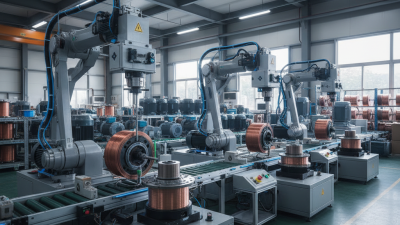
In the evolving landscape of manufacturing, the automatic stator winding machine has emerged as a game-changer. Industry reports indicate that approximately 90% of motor manufacturers are increasingly adopting automation technologies. This shift leads to significant cost savings and productivity gains. For instance, automating the winding process improves efficiency by reducing human errors and enhancing precision.

The increasing demand for electric motors in sectors like automotive and renewable energy highlights the importance of automation. A recent study suggests that automation in stator winding can reduce production costs by up to 30%. This technology not only boosts output but also ensures higher standards of quality. However, some manufacturers remain cautious about fully transitioning to automation, fearing initial investments and potential integration challenges.

While the advantages are substantial, the journey towards full automation is not without its hurdles. Companies must weigh the benefits of an automatic stator winding machine against the costs of implementation. Investing in training and adapting existing infrastructure can pose challenges. Ultimately, embracing this technology is essential for staying competitive in a rapidly changing market.
Top Benefits of Using an Automatic Stator Winding Machine?

Understanding Automatic Stator Winding Machines
Top Benefits of Using an Automatic Stator Winding Machine?

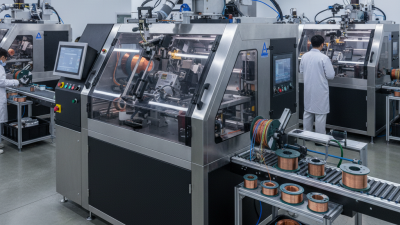
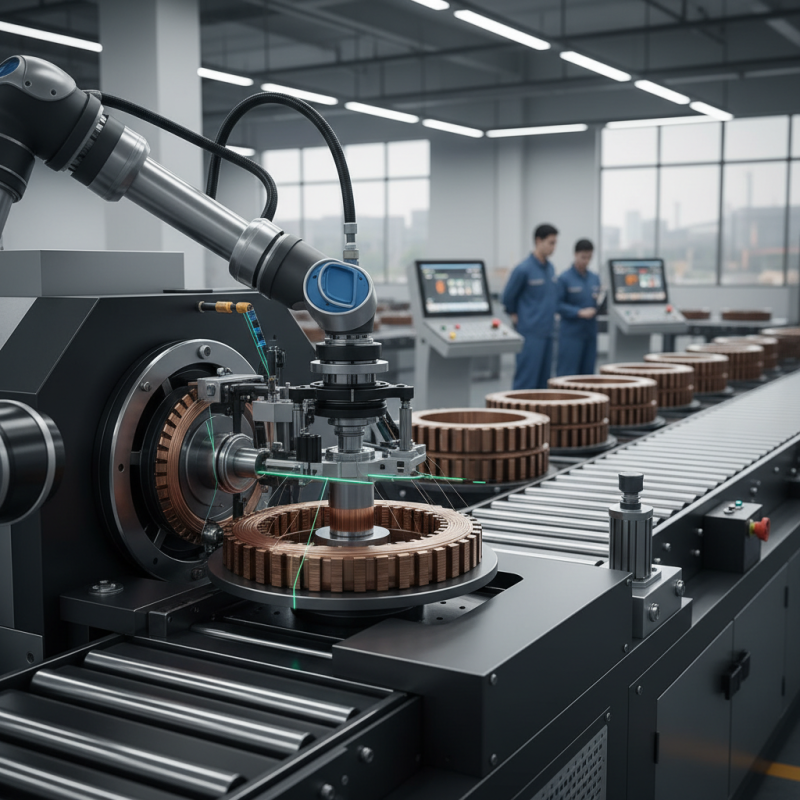
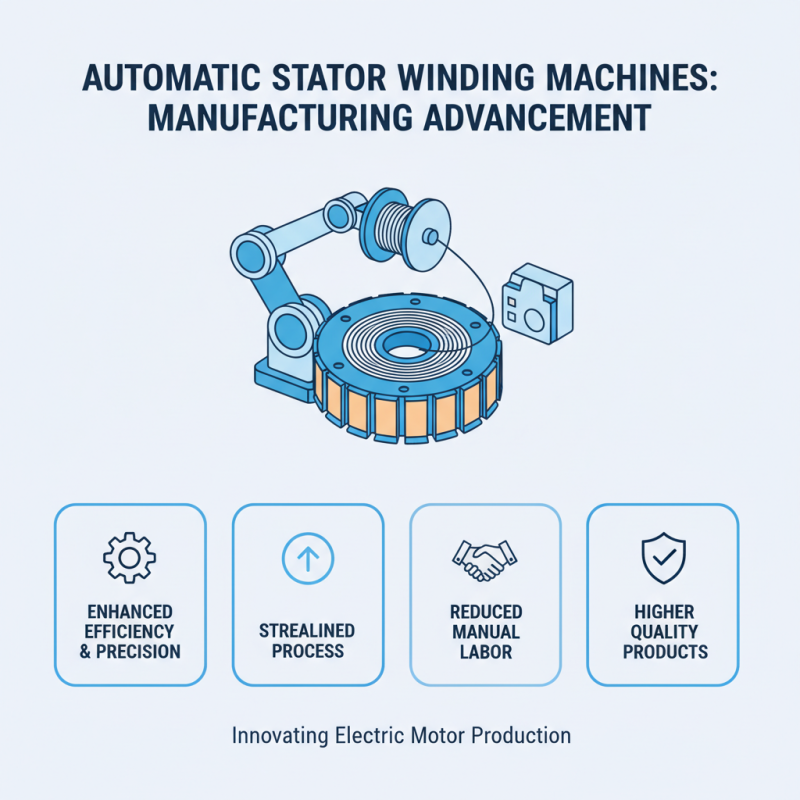
Automatic stator winding machines represent a significant advancement in manufacturing technology. These machines streamline the winding process for electric motors and generators. By automating the task, they enhance efficiency and precision. Operators benefit from reduced manual labor and minimized human error. This leads to higher quality products.

When using automatic stator winding machines, it is essential to follow best practices. Proper calibration is crucial. Regular maintenance is vital to prevent machine breakdowns. Operators should be trained thoroughly to ensure safety and efficiency. A well-trained team can significantly improve output.

One notable aspect is the setup time. Although machines are designed for speed, initial setup can be time-consuming. Attention to detail during setup can save time later. Understanding the specific requirements of each winding project will help in fine-tuning the process. These insights highlight the need for continuous learning and adaptation in this field.
Advantages of Precision in Stator Winding Processes

Using an automatic stator winding machine greatly enhances precision during the winding process. Consistent winding patterns lead to better efficiency in electric motors. An accurate winding ensures optimal performance and durability. When components fit well, workflow improves. Precise automation reduces human error, which is crucial for quality control.

Tip: Regularly maintain your machine for the best results. A clean workspace can also impact precision.

The technology behind automatic winding is complex. However, mistakes from manual winding can be costly. Even minor errors may lead to significant losses in production. It's essential to invest in continuous training for operators. They should understand both the machine and the winding process.

Tip: Document and review your winding process. This helps identify possible areas for improvement. Keep learning and stay updated on advancements in automation technology.

Precision in stator winding is not just about the machine. It also involves careful planning and execution. Regular assessments of the winding quality are necessary. Each error is a lesson for future projects. Embracing a mindset of continuous improvement is vital for success.

Enhancing Efficiency with Automation in Winding Operations

In today’s manufacturing landscape, efficiency is paramount. An automatic stator winding machine revolutionizes winding operations by incorporating automation. This technology significantly increases production speed, allowing manufacturers to meet high demand. According to industry reports, automation can boost productivity by up to 40%. This increased output leads to higher revenue potential, making it a game-changer for businesses.

However, it's essential to recognize the challenges that come with this advancement. Initial setup costs for automatic winding machines can be substantial. Additionally, operator training is crucial to maximize performance. Reports indicate that without proper training, efficiency gains can diminish significantly, undermining potential benefits. Balancing investment with training is key.

Automation in winding operations also improves product consistency. Automated machines reduce human error, leading to higher quality. A recent study showed that companies that adopted these machines saw a 30% reduction in defects. Yet, some manufacturers still hesitate to make the switch. They worry about disruption during the transition phase. Embracing automation is a leap forward, but it requires careful planning and reflection on existing processes.

Top Benefits of Using an Automatic Stator Winding Machine

Benefit Description Impact on Efficiency
Increased Precision Automatic machines provide consistent winding accuracy, reducing defects. Minimizes waste and reduces rework costs.
Higher Throughput Automation allows for faster production rates compared to manual winding. Results in higher output over the same time period.
Reduced Labor Costs Less manual intervention needed, leading to lower labor expenses. Cost savings can be reinvested in other areas.
Improved Safety Automation reduces the need for workers to be exposed to potentially hazardous environments. Enhances workplace safety standards.
Data Collection Automatic machines can log production data for analysis. Facilitates continuous improvement and operational insights.

Cost Savings and Reduced Labor in Stator Manufacturing

Top Benefits of Using an Automatic Stator Winding Machine?

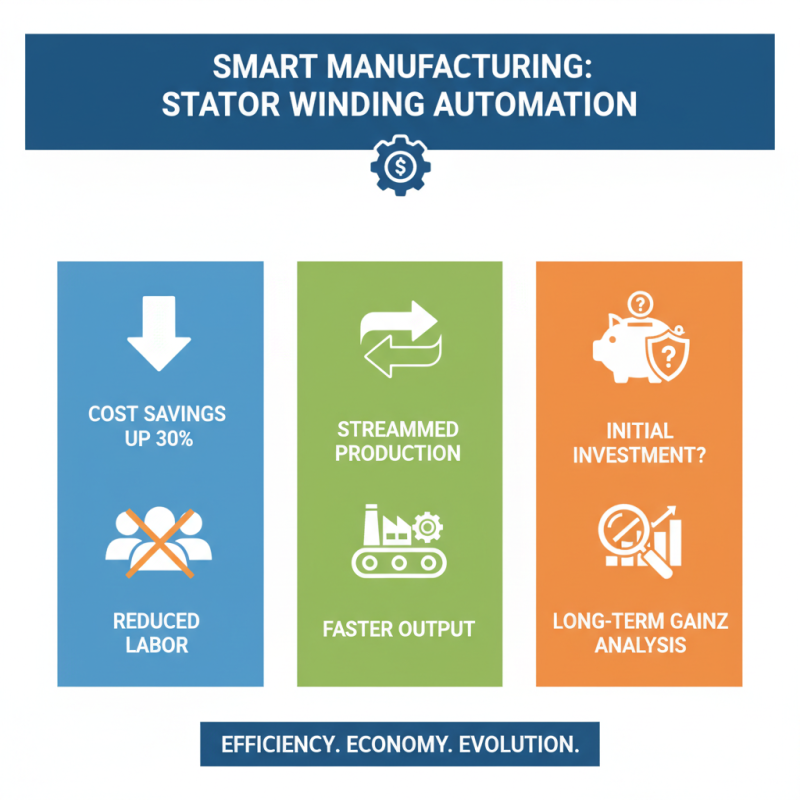
The integration of automatic stator winding machines in manufacturing processes brings significant cost savings. According to a recent industry report, companies can reduce labor costs by up to 30%. This reduction is crucial in a landscape where labor expenses often inflate operational budgets. Automation means fewer workers are needed for winding tasks, streamlining production lines. Yet, there’s the potential for initial high investments. Companies require a careful analysis to ensure long-term savings.

Moreover, the precision of these machines leads to fewer errors. A study showed that automated systems can improve winding accuracy by over 40%. High accuracy reduces material waste. There’s a trade-off between machine maintenance and potential downtime. While machines might run efficiently, issues can arise that require immediate attention. Businesses must develop contingency plans for such events.

Implementing an automatic system can also enhance production speed. Many facilities witness a 20% increase in output. However, this should not overshadow the need for skilled personnel to oversee operations. Relying solely on machines without adequate human oversight can overlook critical quality checks. Proper balance between automation and manual intervention is vital in stator manufacturing.

Improving Consistency and Quality Control in Windings

The automatic stator winding machine revolutionizes production by enhancing consistency. This technology minimizes human error in the winding process. According to a recent industry report, automation can improve production consistency by up to 30%. This reduction in variability leads to a higher quality final product, ensuring longevity and performance.

Moreover, quality control becomes more streamlined with automation. Precise winding ensures that coils meet exact specifications, reducing the possibility of defects. The same report indicated that automated processes resulted in a 20% reduction in rework due to winding failures. However, transitioning to an automated system can introduce challenges. Operators must be trained to handle equipment effectively. Improper handling may compromise the advantages these machines offer.

Investing in automatic winding technology presents both benefits and risks. While data shows significant improvements in consistency and quality, companies must also confront the learning curve. The potential for initial disruptions can be a hurdle. Organizations must weigh these factors carefully. The ultimate success lies in balancing automation with skilled oversight.