What is an Automatic Wire Winding Machine and How Does It Work?

The automatic wire winding machine plays a crucial role in various industries. According to a 2022 market report, the global wire winding machine market is projected to grow by 5.2% annually. This growth is driven by increased demand for electrical components worldwide.

These machines efficiently wind wires around cores and spools. In the automotive and electronics sectors, they ensure precision and consistency. For instance, a well-calibrated automatic wire winding machine can reduce errors by up to 15%.

However, not all machines are created equal. Some may suffer from design flaws that lead to downtime or inefficiencies. Industry experts suggest that operators should frequently assess machine performance. Continuous monitoring can improve productivity and reduce waste. The future of wire winding technology is promising, but challenges remain.
What is an Automatic Wire Winding Machine and How Does It Work?

What is an Automatic Wire Winding Machine?

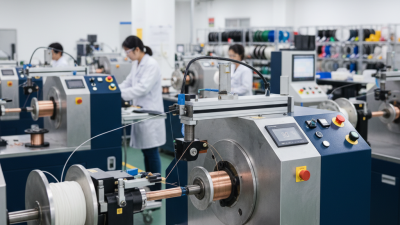
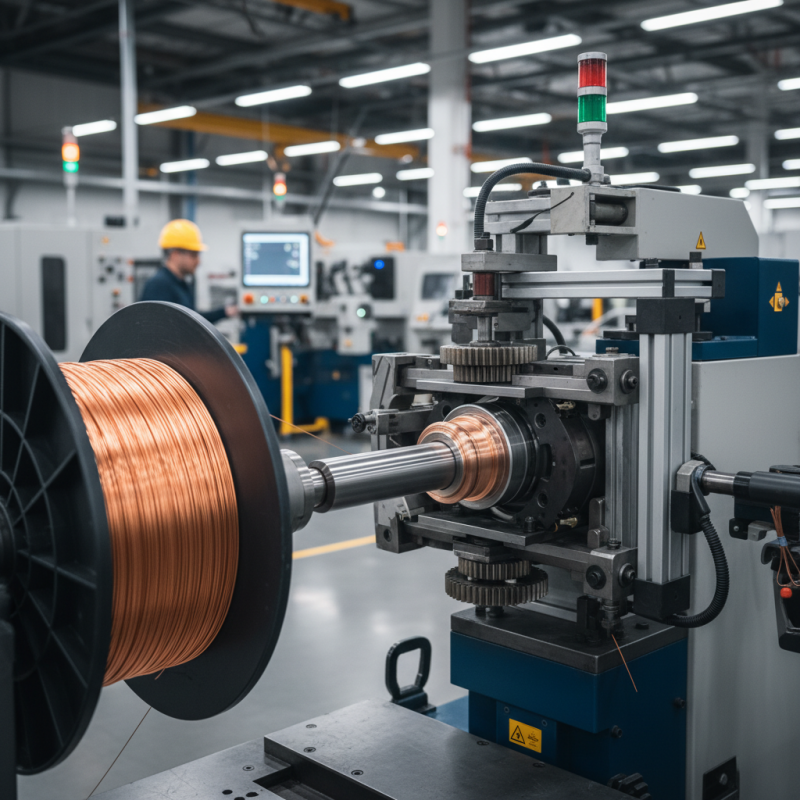
An automatic wire winding machine is designed to efficiently wind wire onto spools or other devices. These machines are commonly used in industries like electronics and automotive, where precision is vital. By automating the winding process, they reduce labor costs and improve consistency.

In operation, the machine takes a spool of wire and guides it through various tension and winding mechanisms. This ensures the wire is neatly layered. Properly set tensions help to avoid wire breaks. Tip: Regular maintenance is crucial for performance. Check for any wear and tear, and replace parts as needed.

Some users find it challenging to adjust winding speeds. A too-fast speed can lead to misalignments. Tip: Experiment with different speeds to find the right balance for your production needs. Careful monitoring of the winding process can save materials and time. Remember, each machine has a learning curve. Take time to understand its capabilities and limitations.

What is an Automatic Wire Winding Machine?

Feature Description
Type Fully Automatic
Function Winding wires into coils with precision
Material Compatibility Copper, aluminum, and other conductive materials
Applications Transformers, motors, and inductors
Speed Up to 3000 RPM
Control System PLC with touchscreen interface
Benefits Increased efficiency, consistency, and reduced labor costs

Key Components of an Automatic Wire Winding Machine

An automatic wire winding machine is a sophisticated device that streamlines the process of winding wire. Its effectiveness lies in its key components. The spool holder securely grips the wire spool. It ensures smooth unwinding. This is crucial for consistent tension and quality.

The drive motor is another essential part. It provides the necessary torque to rotate the spindle. This rotation enables precise winding onto various forms. Additionally, the control system manages speed and tension. Finding the right balance here is challenging. Too much tension can lead to wire breakage. Too little can create uneven layers.

Sensors play a significant role as well. They monitor winding parameters in real-time. This feedback is vital for maintaining accuracy. However, these systems can sometimes misread data. Adjustments are often needed. Regular calibration of these components is essential. This helps avoid issues in the winding process. Understanding these components can significantly improve efficiency and output quality.

The Mechanism Behind Wire Winding Technology

What is an Automatic Wire Winding Machine and How Does It Work?

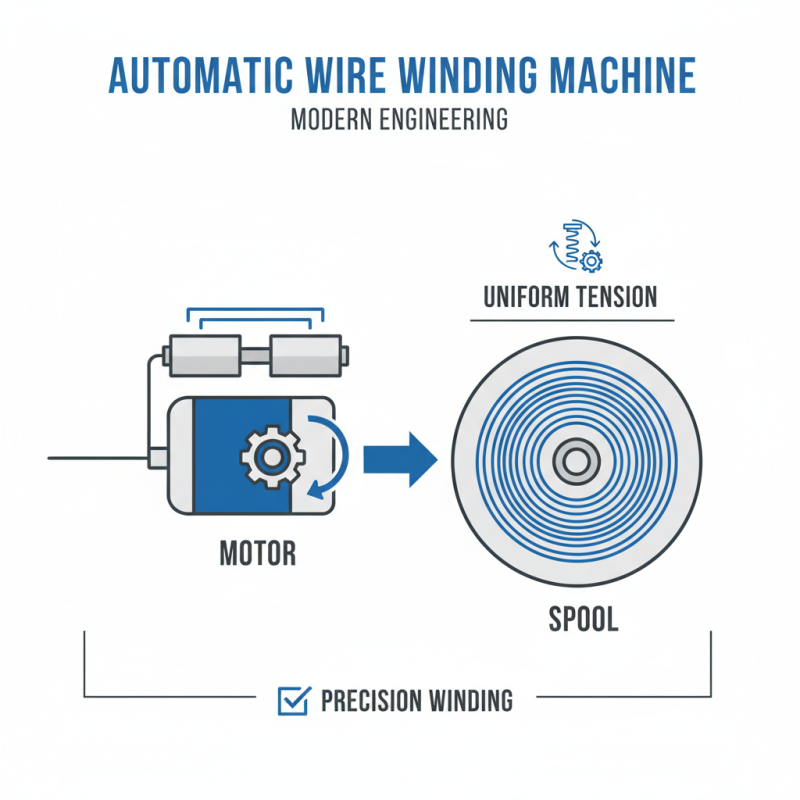
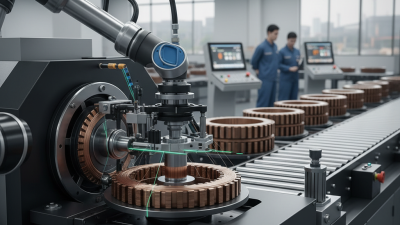
The automatic wire winding machine is a marvel of modern engineering. Its mechanism involves several key components that work in harmony. At the heart of this machine is a motor that drives the winding process. The motor spins a spool, enabling wires to be neatly wound onto it. Precision is crucial in this procedure, as uniform tension prevents tangles and breaks.

Sensors play a vital role during operation. They monitor the wire's movement and tension. If the wire becomes too loose or too tight, the machine adjusts automatically. This ensures high-quality output, but sometimes misalignments occur. These mistakes can lead to uneven winding, requiring operators to intervene. Regular maintenance is essential to minimize these errors.

Another interesting aspect is the wire feeding system. It delivers wire at a controlled rate. However, fluctuations can result in disruptions. Operators must watch for these inconsistencies. Monitoring the entire system is crucial for maintaining efficiency. Despite the high-tech nature, challenges remain, making human oversight valuable. The blend of technology and human skill shapes the effectiveness of wire winding machines.

Applications of Automatic Wire Winding Machines in Industry

Automatic wire winding machines are pivotal in various industries. These machines streamline processes, improving efficiency and accuracy. They are commonly utilized in sectors such as automotive, electronics, and aerospace. According to a recent market report, the global wire winding machine market is expected to grow at a compound annual growth rate of 5.2% through 2027. This highlights their importance in modern manufacturing.

In the automotive industry, these machines are crucial for winding wires in electric motors and transformers. Precision is essential here. A small error can lead to product failure. Additionally, in electronics, these machines help create coils for inductors and sensors. The demand for smaller and more efficient electronic components drives innovations in winding technology. However, companies must adapt to changing materials and design complexities.

Despite the benefits, challenges persist. There can be issues with machine calibration, leading to inconsistent wire tension. Businesses must invest in regular maintenance and training to mitigate these risks. Also, the integration of automation requires skilled personnel to oversee operations. The future holds promise but demands continual adaptation and reflection on practices.

Benefits of Using Automatic Wire Winding over Manual Methods

The shift to automatic wire winding machines marks a significant change in production efficiency. Industry research indicates that companies using automatic systems can increase their output by up to 30%. This increase is crucial in an economy where time efficiency can directly impact profitability. Automatic machines minimize human error, which often plagues manual winding processes. A simple mistake can lead to considerable waste in materials and time.

Using automatic machines can also improve safety standards in the workplace. Manual winding often involves repetitive motions that can lead to injuries. Reports show that workplaces using automated systems see a decrease in worker compensation claims by about 25%. However, these machines do require initial training, and integrating them can take time. Some workers may feel apprehensive about adapting to new technology. There's a learning curve that can’t be overlooked.

Moreover, automatic winding machines are not a one-size-fits-all solution. Various projects might still benefit from manual methods. For smaller runs or specialized tasks, manual winding provides flexibility that machines can lack. Choosing the right method requires careful consideration of product needs and production goals. Balancing efficiency with the nuances of manual work is essential for any manufacturing leader.

Benefits of Automatic Wire Winding Machines Over Manual Methods

This chart compares the benefits of using an automatic wire winding machine against manual winding methods. The dimensions measured include speed, precision, labor cost reduction, and production volume. Automatic machines significantly outperform manual methods in these areas, showcasing their efficiency and cost-effectiveness.