What is an Automatic Coil Machine and How Does It Work?
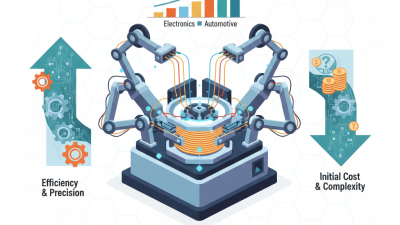
In the ever-evolving manufacturing landscape, the automatic coil machine stands out as a marvel of technology. Experts like Dr. Emily Carter, a leading authority in automation, state, "The automatic coil machine revolutionizes how we approach wire production." This machine enhances efficiency and precision in creating coils for various applications.
Understanding how an automatic coil machine operates is essential for manufacturers seeking to optimize their processes. It uses advanced mechanisms to wind and shape wires automatically, offering a significant productivity boost. However, with increased automation, some challenges arise. Not every factory is equipped to handle such technology effectively.
The automatic coil machine embodies both innovation and complexity. While it promises efficiency, there’s a learning curve for operators. Companies must invest in training to reap its full benefits. As we explore its functions further, the potential and pitfalls of this vital tool in modern manufacturing become clear.
Definition of Automatic Coil Machine
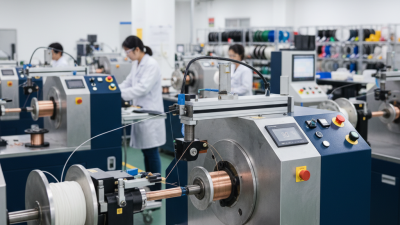
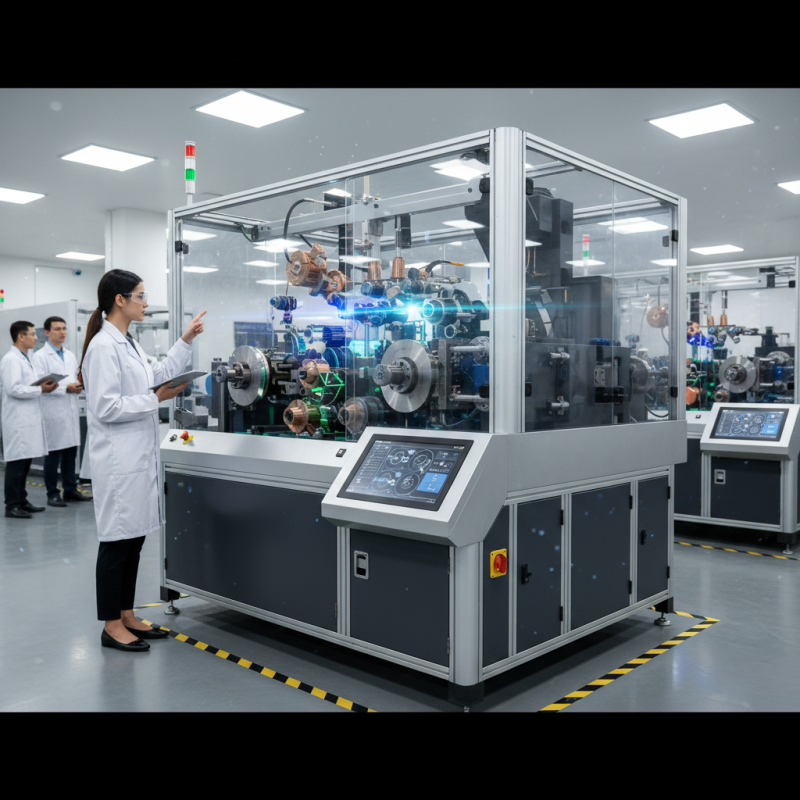
An automatic coil machine is a device designed to efficiently manage the winding of wire into coils. This machine simplifies the process, allowing for precise control and uniformity in coil production. Operators can set parameters and monitor the machine’s performance through an intuitive interface. This technology is vital for various industries, including electronics and automotive.
The automatic coil machine utilizes automated mechanisms to achieve high-speed winding. It typically includes features like tension control and precise cutting. These systems reduce human error and increase production speed. However, not all machines operate flawlessly; misalignments can lead to inconsistent coil sizes. Regular maintenance is necessary to ensure optimal function, which can be challenging for some users. Many struggle with the initial setup, requiring skilled personnel for calibration.
Understanding the intricacies of an automatic coil machine can enhance productivity. Familiarity with its components, such as spool holders and bobbin feed, allows for better troubleshooting. Users often encounter issues that require adjustments and thoughtful solutions. Embracing innovation in coil manufacturing is crucial, but it also comes with a learning curve that demands patience and practice.
What is an Automatic Coil Machine and How Does It Work?
| Feature | Description |
|---|---|
| Definition | An automatic coil machine is a device designed to produce and manipulate coiled wire or materials with minimal manual intervention. |
| Components | Includes a spool holder, tension control, cutting mechanism, and a programmable control unit. |
| Functionality | Automatically feeds wire, controls tension, cuts to size, and winds into coils. |
| Applications | Used in electronics, automotive, and manufacturing sectors for producing coils in transformers, inductors, and other components. |
| Advantages | Increases efficiency, reduces labor costs, improves accuracy, and ensures consistent quality. |
| Maintenance | Regular cleaning, lubrication of moving parts, and software updates for control systems. |
Key Components of an Automatic Coil Machine
An automatic coil machine is designed to streamline wire and coil production. Understanding its key components helps in grasping how these machines operate. The most crucial part is the motor. It drives the entire system. A powerful motor enhances efficiency and ensures consistency in coil formation.
Another essential component is the controller. This system regulates the machine's speed and operation. However, there can be a learning curve in adjusting these settings for optimal performance. Experience shows that incorrect settings can lead to poor quality coils or machine jams.
The tensioning system is also vital. It maintains the correct tension on the wire throughout the process. If the tension is too high or too low, problems can arise. Operators often need to monitor this closely. It requires attention and can include adjustments during production runs. Regular checks prevent issues and improve overall output quality. Automated machines bring efficiency, but human oversight remains necessary.
Production Efficiency of Automatic Coil Machines
This bar chart illustrates the production efficiency of automatic coil machines based on different operational speeds. The efficiency is measured in units produced per hour.
Working Principle of Automatic Coil Machine
An automatic coil machine is designed for efficient and precise coil production. It operates on a straightforward principle. When activated, the machine feeds wire into a winding system. This process shapes the wire into coils based on predetermined specifications.
The core working principle centers around automation. Sensors monitor the wire tension and position, providing real-time feedback. This helps maintain consistency and quality. The machine can adjust speeds and tension automatically, optimizing the winding process.
Tips: Always ensure the wire type matches the machine’s specifications. Incorrect wire can cause jams. Regular maintenance is vital. It prevents wear and tear, ensuring smooth operation. Consider conducting routine checks on the sensors. An unnoticed malfunction could lead to significant production delays.
Moreover, while automatic coil machines streamline processes, they are not infallible. Operators should remain vigilant. Even automated systems can misfeed or misalign. Continuous monitoring helps catch these issues before they escalate.
Common Applications of Automatic Coil Machines
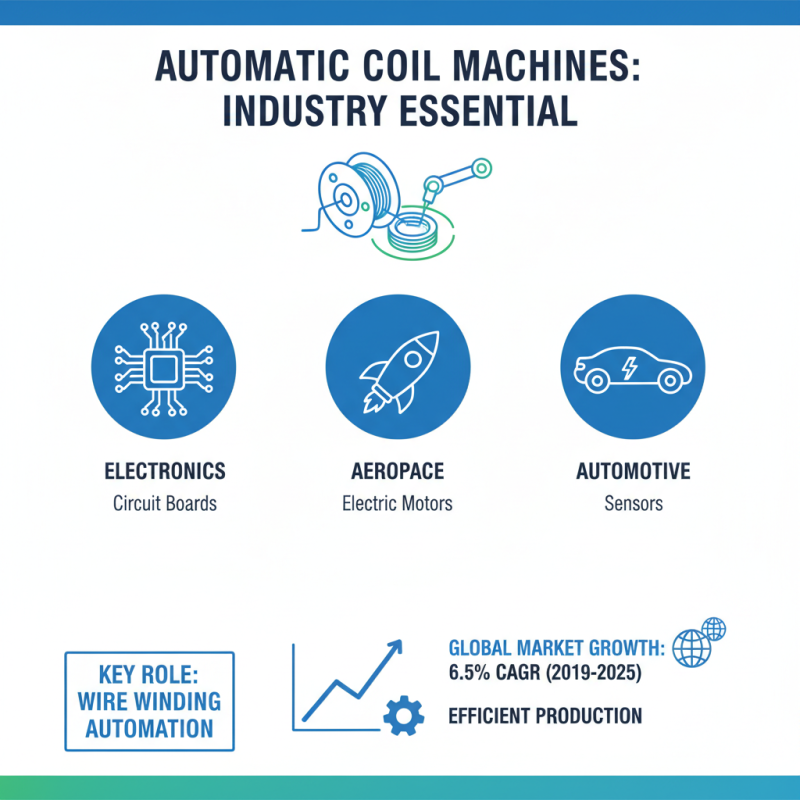
Automatic coil machines play a crucial role in various industries. They are used primarily for winding wire into coils. This is essential in sectors such as electronics, aerospace, and automotive manufacturing. According to a recent industry report, the global market for coil winding machines is expected to grow at a CAGR of 6.5% through 2025. This reflects the increasing demand for efficient production processes in these fields.
In electronics, automatic coil machines help produce inductors and transformers. These components are vital for power management. In the aerospace sector, precision coils are essential for various applications, including sensors and actuators. Automotive manufacturers utilize these machines for wiring harnesses, which are critical for vehicle functionality.
Tips: Always monitor machine settings. Improper adjustments can lead to defects in coils. Regular maintenance is key to ensure efficiency.
Common challenges persist in setup and operation. Workers might face learning curves when using advanced automatic coil machines. Continuous training can mitigate this issue. Industry studies show that proper training increases productivity by 25%. It’s essential to balance automation with skilled labor to achieve optimal results.
Advantages of Using Automatic Coil Machines
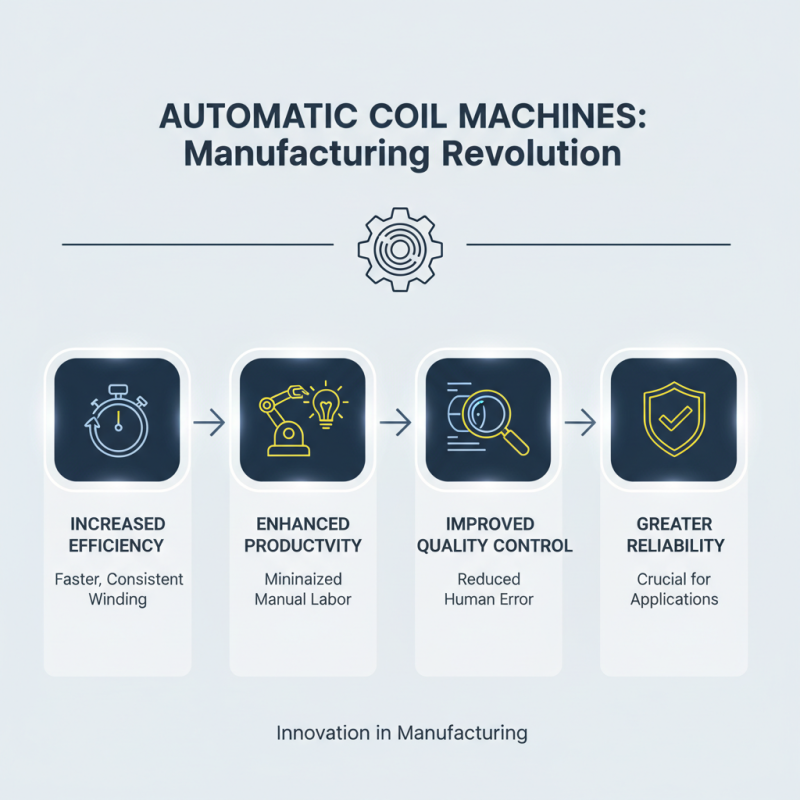
Automatic coil machines are revolutionizing the manufacturing industry. They offer various advantages that enhance efficiency and productivity. These machines are designed to automate the winding process, making it faster and more consistent. By minimizing manual labor, they reduce the risk of human error. This leads to improved quality control, which is crucial for many applications.
One notable benefit of using automatic coil machines is their ability to operate continuously. This allows manufacturers to produce more coils in less time. However, there's a catch. Maintenance is essential for optimal performance. If not properly maintained, these machines can fall short of expectations. Downtime for repairs can disrupt production schedules, leading to lost revenue.
Additionally, automatic coil machines are versatile. They can handle various wire sizes and types. This flexibility enables manufacturers to cater to different client needs. Yet, some operators may find the learning curve challenging. Understanding the machine's intricacies can take time. Training is crucial for maximizing efficiency and output. Investing in operator education pays off in the long run. The balance between automation and human oversight remains a topic worth discussing.
Related Posts
-
5 Essential Tips for Choosing the Right Wire Winding Machine: Boost Efficiency by 30%
-
Top 10 Tips for Choosing the Best Automatic Coil Machine for Your Needs
-
Auto Winding Machine Tips for Efficient Operation and Maintenance Guide
-
What is the Best Automatic Winding Machine in 2026?
-

10 Essential Tips for Choosing the Best Auto Winding Machine?
-
What is an Automatic Wire Winding Machine and How Does It Work?