2026 How to Choose the Best Wire Coil Winding Machine?

Selecting the right wire coil winding machine is critical for manufacturers in various industries. A report by Grand View Research highlights that the global wire winding machine market is projected to reach $2.4 billion by 2026, driven by increased demand for high-precision coils. As technology advances, choosing the ideal machine becomes more complex, requiring informed decision-making.

Expert in the field, Dr. Jane Thompson, notes, "Investing in a quality wire coil winding machine can significantly enhance production efficiency and reduce operational costs." Her insights underline the importance of evaluating machine specifications, including speed, precision, and build quality. Small businesses and large enterprises alike must weigh these factors against their production needs and budget constraints.

Users often overlook essential features, leading to costly mistakes. Understanding the nuances of different winding techniques and their applications is vital. A well-chosen machine can improve product consistency and manufacturing speed, while a poor choice can hinder progress. Balancing these elements can be challenging but is crucial for achieving operational goals.
2026 How to Choose the Best Wire Coil Winding Machine?

Understanding the Basics of Wire Coil Winding Machines

Wire coil winding machines are pivotal in various industries. They efficiently create precise coils for electrical applications. Understanding the basics is essential for anyone involved in manufacturing. In 2023, the global wire coil winding machine market size was valued at around $680 million, with expectations to grow steadily over the next few years.

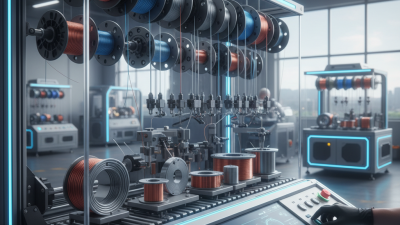
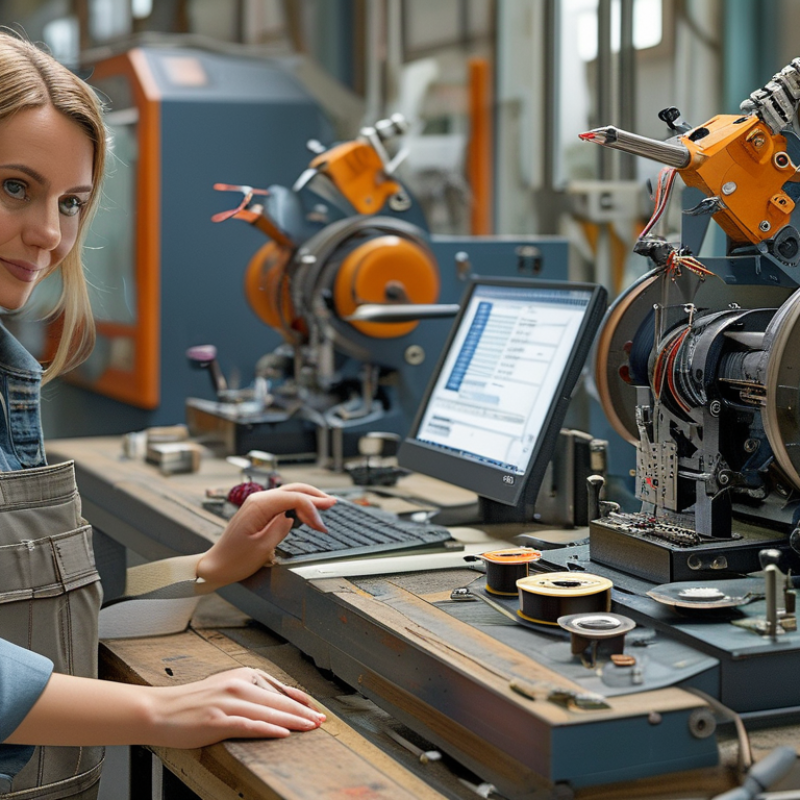
The operation of these machines involves several key components, including the winding head and tension control system. The winding head's design can significantly affect coil quality. A well-calibrated tension control helps maintain uniform coil density. It can prevent issues like overlapping or loose winds. Real-time feedback mechanisms are also becoming standard. They ensure higher accuracy and reduce waste. However, even advanced models may have limitations in complex setups.

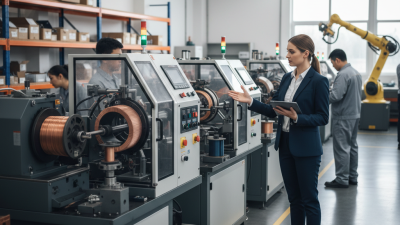
Choosing the right machine isn't just about features. Operators need adequate training to fully utilize these machines’ potential. A lack of experience can lead to production errors. Understanding machine specifications and capabilities is crucial. Using outdated models might compromise efficiency. Regular maintenance is also vital to ensure performance longevity. Manufacturers must reflect on their needs and adapt accordingly for optimal results.

Key Factors to Consider When Selecting a Wire Coil Winding Machine

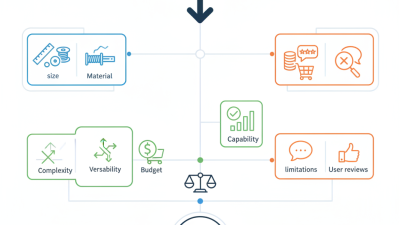
When selecting a wire coil winding machine, consider the application. Different machines cater to various wire types and coil sizes. Understanding the specific requirements can prevent costly mistakes. A machine that excels for one industry may fall short in another. Evaluate if it supports heavy-duty production or lighter applications.

Another crucial factor is ease of use. The best winding machines should be user-friendly and simple to operate. Look for intuitive controls and clear instructions to minimize training time. Complicated setups can lead to frustration and wasted resources. In practice, machines with better ergonomics enhance productivity and reduce operator fatigue.

Don't overlook the importance of reliability. A winding machine should have a solid construction and minimal breakdown instances. Regular maintenance can be a hassle but is vital for long-term performance. If a machine frequently malfunctions, it could significantly affect production timelines. Reflect on the balance between cost and the machine's overall reliability before making a decision.

Types of Wire Coil Winding Machines and Their Applications

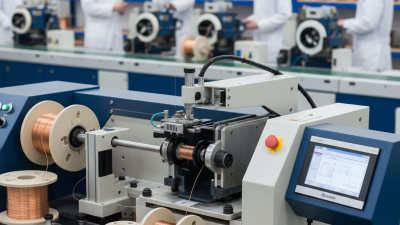
When selecting a wire coil winding machine, understanding the different types available is crucial. There are primarily two categories: automatic and manual machines. Automatic machines enhance productivity and consistency, making them suitable for high-volume production. They often feature programmable controls, allowing for precision in winding. Manual machines, however, are more customizable. They allow operators to adjust the winding process according to specific needs. This flexibility can be beneficial in smaller operations.

Each type of machine serves specific applications. For example, transformers and inductors require a different winding approach compared to motors. A machine designed for transformers may focus on tightly wound coils to minimize losses. In contrast, a motor winding machine might prioritize speed and efficiency. It’s important to match the machine’s capabilities with the intended use. A mismatch can lead to inefficiencies and subpar products.

Maintenance is another crucial factor often overlooked. Regular checks ensure machines operate correctly. Neglecting this can result in unexpected downtimes. Evaluating the environment where the machine will be used is also vital. Dust, humidity, and temperature can affect performance. Choosing the right machine is not just about the specifications; it’s about aligning those with the operational demands.

2026 How to Choose the Best Wire Coil Winding Machine?

Type of Machine Features Applications Max Coil Diameter (mm) Coil Width (mm)
Automatic Winding Machine High speed, programmable control, tension control Transformers, inductors, and motors 300 200
Horizontal Winding Machine Compact design, easy to integrate into assembly lines Small motors, solenoids, and coils 150 150
Vertical Winding Machine Space-saving, precision winding, easy setup Electronics, automotive components 250 100
Multi-Spindle Winding Machine Increased production, multiple coils at once High-volume production for various types of coils 200 250
Customized Winding Machine Tailored features, bespoke designs Specific projects and specialized applications Varies Varies

Evaluating Machine Specifications for Your Needs

When choosing the best wire coil winding machine, evaluating machine specifications is crucial. A robust machine should have adjustable tension control, accommodating different wire gauges. Research indicates that machines with programmable winding parameters can enhance precision by up to 30%. This is essential for producing high-quality coils that meet industry standards.

Another significant aspect is the machine’s speed capability. Data from the International Wire & Cable Symposium shows that winding speeds over 1000 RPM can drastically reduce production time. However, higher speeds may lead to potential accuracy issues in winding. It's vital to balance speed with precision to avoid costly errors in production.

Don't overlook the impact of user interface design. Machines with intuitive controls can boost operator efficiency. Training costs might escalate if the interface is complex. Investing time in understanding machine features and capabilities ensures better alignment with production goals. Reflect on how each machine's specifications will meet your particular needs.

Comparison of Wire Coil Winding Machines Based on Specifications

Budget Considerations When Choosing a Coil Winding Machine

When selecting a coil winding machine, budget considerations play a crucial role. Research shows that initial costs typically range from a few thousand to tens of thousands of dollars. The price often reflects the machine’s features, automation level, and production capacity. Understanding your specific needs can prevent overspending on unnecessary features or capabilities.

Maintenance costs also impact your budget. Regular maintenance is essential to ensure optimal performance. Many machines require specialized parts and skilled technicians for repairs. According to an industry report, about 40% of total machine costs can be attributed to maintenance over its lifespan. Plan for these expenses in advance.

Additionally, consider the potential return on investment (ROI). Machines with higher upfront costs may offer better efficiency and quality. They can reduce material waste and enhance production speed. Data suggests that investing in a better machine can increase overall productivity by up to 25%. Balancing initial costs with long-term benefits is vital.