2026 Best Types of LNG Exchangers for Global Buyers?
Choosing the right Lng Exchanger can influence LNG safety, efficiency, maintenance, and long-term operating costs. Global buyers face several options in 2026, including shell-and-tube, brazed aluminum plate-fin, printed circuit, and spiral-wound designs. Each type responds differently to pressure, temperature, flow rate, vibration, and available space. No exchanger is universally best.
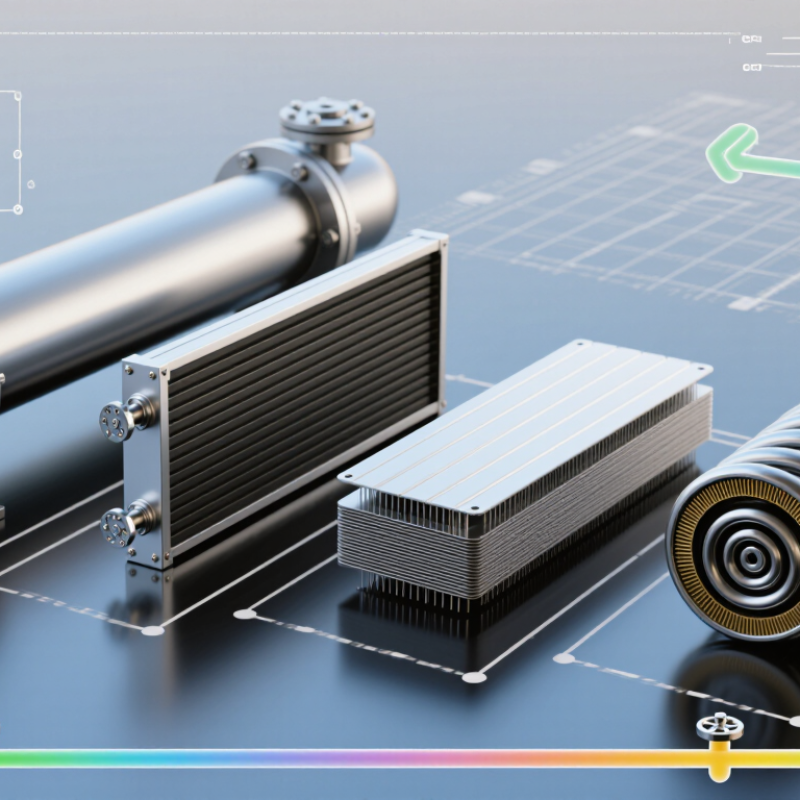
A reliable selection begins with the process conditions, not the product brochure. Buyers should compare thermal duty, allowable pressure drop, cryogenic material performance, corrosion resistance, cleanability, and spare-part access. Brazed aluminum plate-fin exchangers offer compact designs and strong performance for many liquefaction systems. Printed circuit exchangers can support high pressure and severe temperature differences. Shell-and-tube units may provide familiar maintenance practices and flexible configuration. Details decide.
Engineering teams should also review supplier testing, welding procedures, inspection records, and quality-control systems. Relevant requirements may include ASME, EN, ISO, and project-specific LNG safety standards. These references do not replace professional engineering judgment. Site conditions still matter. A remote terminal may value simple maintenance more than maximum compactness. A large liquefaction plant may prioritize efficiency, modularity, and proven lifecycle performance.
This guide compares the leading exchanger types for international buyers. It examines applications, advantages, limitations, lifecycle costs, and supplier evaluation methods. Some recommendations remain conditional. Data quality can vary between manufacturers. A low purchase price may conceal difficult cleaning, long delivery times, or limited technical support. Careful buyers should request verified performance data, realistic references, and clear warranty terms before making a final decision.
LNG Exchangers Explained: Core Functions and Operating Principles
An LNG exchanger transfers heat between process streams without allowing them to mix. It controls temperature during liquefaction, storage, and regasification. During liquefaction, warm natural gas releases heat and becomes a cryogenic liquid. During regasification, LNG absorbs heat and returns to gas. The streams remain separated by metal walls. That sounds simple.
Most LNG exchangers use counter-current flow. The hot stream moves opposite the cold stream, improving thermal efficiency. Plate-fin exchangers provide large surface areas in compact packages. They suit low-temperature liquefaction duties and careful flow control. Shell-and-tube exchangers handle robust vaporization service and easier mechanical inspection. Printed-circuit designs offer compact paths for high-pressure applications, but repairs can be more demanding.
Selection requires more than comparing heat-transfer ratings. Buyers should check pressure drop, thermal cycling, material compatibility, and cleaning access. Stainless steel and aluminum alloys behave differently under repeated cryogenic stress. Operators should also review startup records, vibration history, and leak-testing procedures. Small pressure losses can reduce plant efficiency. Poor drainage can create cold spots or uneven flow. In practice, calculated performance may differ from field results. Real operating data deserves more trust than an attractive brochure. A practical review should include local maintenance skills, spare-part access, and emergency isolation arrangements.
How to Compare LNG Exchanger Performance, Safety, and Efficiency
For global LNG buyers, exchanger selection should begin with measured duty, not brochure capacity. Plate-fin exchangers offer high heat-transfer area in compact packages. Shell-and-tube units tolerate dirty streams and simpler field maintenance. Printed-circuit designs can reduce footprint, but inspection and repair may be less convenient. The choice depends on pressure, temperature range, refrigerant circuit, and allowable pressure drop.
Demand context matters. The 2024 IGU World LNG Report recorded global LNG trade at 404.3 million tonnes in 2023. The IEA Gas 2024 report also noted global gas demand growth of about 2.5% that year. More cargoes increase pressure on receiving terminals. Buyers should compare exchanger duty at normal, turndown, start-up, and upset conditions. A smaller approach temperature can improve efficiency, yet it may increase fouling sensitivity and control difficulty.
Safety needs measurable evidence. Check material toughness, thermal-stress analysis, relief protection, leak detection, isolation, and emergency shutdown testing. Design reviews should reference recognized requirements, including NFPA 59A and relevant ASME codes. Ask for tested pressure-drop curves, helium leak results, fatigue calculations, and maintenance records. I would not trust efficiency claims without boundary conditions. A 0.5% energy advantage can disappear after fouling, imperfect insulation, or frequent defrosting. Real operating data beats a perfect simulation.
2026 Best Types of LNG Exchangers for Global Buyers
How to compare LNG exchanger performance, safety, and efficiency
How to read the comparison: The values represent indicative cryogenic design-point figures commonly used for preliminary LNG equipment screening. Higher thermal effectiveness and lower pressure drop generally improve energy efficiency. Plate-fin and printed circuit exchangers are typically the most compact, while shell-and-tube designs usually offer easier mechanical inspection and maintenance. Final selection should also consider LNG composition, allowable pressure drop, thermal cycling, material compatibility, relief protection, leak detection, and applicable process-safety standards.
2026 Purchasing Factors: Standards, Suppliers, Maintenance, and Total Cost
For global buyers, LNG exchanger selection in 2026 depends on more than heat-transfer capacity. Standards, supplier control, maintenance planning, and total cost matter equally. The exchanger should match the LNG composition, operating pressure, temperature range, and expected thermal cycles. Buyers should request design compliance with recognized pressure-vessel standards, such as ASME Section VIII or EN 13445, plus applicable local regulations. Material certificates and cryogenic impact-test records are essential. Small documentation gaps can delay approval.
Supplier evaluation needs practical evidence. Ask for references involving similar LNG duty, not only general refinery projects. Review weld procedures, non-destructive testing records, factory acceptance tests, and pressure-test reports. A reliable supplier explains how the exchanger handles startup, shutdown, vibration, and sudden temperature changes. Clear drawings help. Vague answers do not.
Maintenance costs often appear after installation. Specify leak detection points, removable components, inspection access, and spare gasket availability. Operators should monitor pressure drop, outlet temperature, and insulation performance. Fouling may be limited in clean LNG service, but moisture, contaminants, or repeated thermal cycling can still create problems. Total cost should include energy use, boil-off losses, freight, commissioning, downtime, and future repairs. The cheapest quotation may become expensive after one unplanned shutdown. However, buyers can also overpay for features that add little value. A lifecycle model with conservative assumptions is safer than a perfect forecast.